


When discussing the quality of your indoor air, mold should be part of the conversation. Mold remediation is often critical to making sure the air in your home keeps you happy and healthy.
To truly get rid of a mold problem in your home, you’ll need to find the cause. This can often be difficult because there is no single magic bullet solution that can keep mold from growing. When done right, mold remediation begins when your home is first constructed.
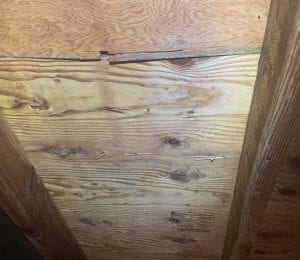
Understanding how mold works is an important step in mold remediation. The first principle is if there is no moisture present, there can’t be any mold. It’s that simple. The three things required for mold to grow are moisture, warm temperatures, and a biodegradable food source (which is often the wood rafters in your attic).
Before

After
How Insulation Can Prevent Mold Problems
One of the best tools available in the fight against mold is insulation. The purpose of insulation is to manage your home’s temperature and moisture. Since these are two of the factors that allow mold to grow, regulating them from the start goes a long way toward preventing mold from ever gaining a foothold.
When installed properly, insulation creates a dry and temperature-controlled environment that inhibits the growth of mold. Since mold remediation inevitably includes the elimination of moisture sources, you can see why good insulation is so critical to keeping your house mold-free.
Since insulation is your first line of defense in mold remediation and prevention, selecting the best insulation for your home is an important decision. If mold remediation is a concern, it’s important to make sure the insulation you install is not a type that could potentially support the growth of mold.
Fiberglass insulation, for instance, is a non-biodegradable substance that is highly resistant to mold. The sharp glass shards inside fiberglass insulation cause mold spores to puncture and die before they find a place to attach. Cellulose insulation, on the other hand, is made of ground-up paper. It is an ideal source of food for mold, so if it becomes wet it could become a perfect mold habitat.
Why Fiberglass Is the Perfect Material to Prevent Mold
Mold requires organic material to grow. That’s why you’ll often find mold on old food, rotting wooden structural components, and other plant-based materials. Fiberglass is made of glass, however, which is inorganic and doesn’t provide the sustenance mold needs to grow.
Keep in mind that this only applies to fiberglass itself. The wooden structure around the fiberglass and other components, such as paper backing, may still develop mold. However, ensuring that insulation is made of inorganic materials is a huge step in the right direction when it comes to preventing mold.
Most types of insulation, including fiberglass, work by maintaining many tiny pockets of air that prevent heat from passing easily. This fibrous structure would be ideal for allowing mold to take hold if it were made of an organic material. Luckily, choosing fiberglass insulation protects your home from this problem.
How Insulation Combats Moisture Accumulation
With moisture and organic material posing such risks for mold growth, you can see why attics and crawl spaces, where moisture issues are prone to develop, can be particularly vulnerable. Take a closer look at how insulation plays a key role in preventing moisture accumulation and stopping mold from becoming a problem in your home.
Water vapor is always present in the air, with more humid air containing higher levels. High humidity itself isn’t the issue. Instead, it’s when that water condenses out of the air. When warm air comes into contact with a cool surface, some of the water vapor is chilled enough to condense into liquid water droplets. These droplets then provide the perfect conditions for mold to grow.
Insulation stops this from happening by preventing those temperature differences from occurring. Attic insulation isolates your attic from your home so that it can stay roughly the same temperature as the air outside. As humid summer air enters your attic, it doesn’t find any cool surfaces to condense on.
You’re also protected during the winter months. The insulation keeps your roof at the same temperature as the air outside, which means no hotspots to melt ice and snow. This stops water from pooling on your roof and eventually seeping inside, causing lasting water damage and a serious risk of mold.
What to Do if You Suspect a Potential Mold Problem
A healthy, comfortable home starts with the attic and crawl space. Not sure if your home has adequate insulation to prevent mold issues?
If your home still has the same insulation as when you bought it, or if it’s been more than ten years since it has been installed, a professional inspection could be in order. While insulation is durable and long-lasting, you don’t want issues like mold or pest infestations to go unnoticed if they do develop.
Most importantly, avoid investigating the insulation yourself. Fiberglass insulation must be handled by professionals. If your insulation does contain mold, then moving it around to inspect or replace it will release harmful spores. Instead, leave it to the professionals.
Additionally, watch out for signs of water infiltration in your attic. If you’ve had a roof leak or other damage to your roof, then your attic could be at risk of developing a mold issue. Consider reaching out for a professional inspection after any potential water damage to your attic.
How to Keep Your House Free of Mold From the Very Start
To make a long story short, if you are at all concerned about the presence of moisture in your attic, you need to choose an insulation that helps with mold remediation from the start. Water is one of the homeowner’s worst enemies, not just because of mold, but also because it can cause structural damage. So starting with safeguards against moisture is always the best idea.
It’s also a good idea to get help from a pro. At Attic Projects, our technicians are experts when it comes to mold remediation and insulation. We come out, take a look at your home, and make recommendations that will help you live worry-free.
Contact us today. We give you a free estimate, then make your attic a mold-free and safe place for years to come.