

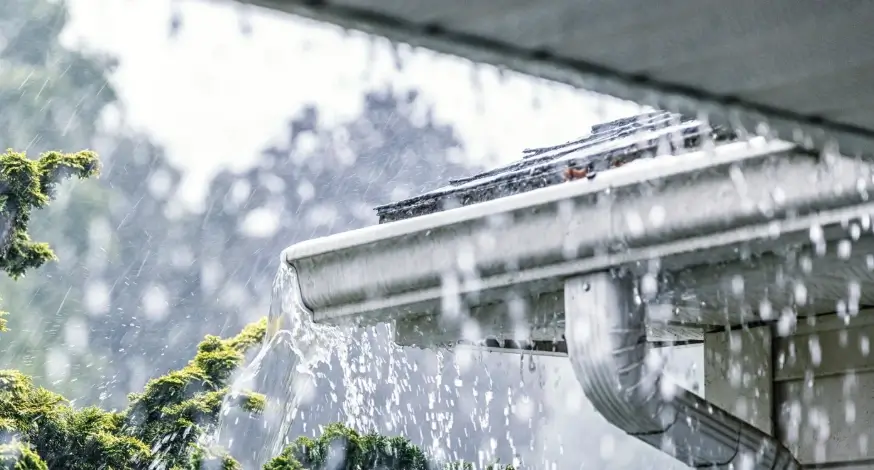
When California homeowners think about preparing for heavy rain and winter storms, the first things that come to mind are usually roofs, gutters, windows, and drainage systems. But two of the most important areas of your home are often overlooked: your attic and crawl space.
As California prepares for the possibility of wetter weather associated with El Niño, now is a good time to make sure your home is ready for increased moisture, fluctuating temperatures, and the potential for unwanted pests.
El Niño is a climate pattern characterized by unusually warm ocean temperatures in the central and eastern tropical Pacific. Depending on atmospheric conditions, it can influence winter storm patterns and increase the potential for significant rainfall in parts of California.
While no individual storm or rainy season is guaranteed to be especially wet, taking preventative steps before heavy rain arrives can help homeowners avoid costly problems.
At Attic Projects, we specialize in identifying and addressing issues hidden in attics and crawl spaces. Here’s how our services can help prepare your home for whatever the season brings.
1. Protect Your Attic From Moisture and Mold
Your attic plays a vital role in protecting your home from the elements. Unfortunately, it can also be one of the first places where moisture-related problems go unnoticed.
During periods of heavy rain, moisture can enter the attic through roof leaks, damaged flashing, or other openings. Condensation can also develop when warm, humid air comes into contact with cooler surfaces, particularly in attics with inadequate ventilation or uncontrolled air leakage.
Over time, excessive moisture can contribute to:
- Mold and mildew growth
- Wood deterioration and rot
- Damaged or saturated insulation
- Unpleasant odors
- Reduced insulation performance
- Damage to attic framing and other building materials
How Attic Projects Can Help
A professional attic inspection can help identify visible moisture damage, ventilation concerns, and deteriorating insulation before these issues become more serious. Depending on the condition of your attic, recommended services may include:
Attic Cleaning: Removing accumulated debris and contaminated materials that can complicate maintenance and inspections
Insulation Removal and Replacement: Removing damaged insulation and installing new materials after the underlying moisture problem has been addressed.
Attic Ventilation Assessment: Identifying blocked vents, ventilation deficiencies, and other conditions that may contribute to excess moisture.
Mold Remediation: Addressing existing mold contamination and helping homeowners understand what must be corrected to reduce the likelihood of recurrence.
It’s important to remember that insulation and ventilation alone cannot fix an active roof leak. Any exterior water intrustion should be repaired before damaged insulation is replaced.
2. Keep Your Crawl Space Dry With a Vapor Barrier

One of the biggest concerns during extended periods of rainfall is excess moisture beneath your home. Many California homes have crawl spaces with exposed soil. When the ground becomes saturated, moisture can evaporate into the crawl space, increasing humidity beneath the home.
In some situations, surface runoff, inadequate drainage, or groundwater can also introduce water directly into the crawl space. Excess crawl space moisture can create several problems including:
- Mold growth on wooden structural components
- Deterioration of subflooring and framing
- Musty odors
- Damaged insulation
- Increased humidity beneath the home
- Conditions that attract certain pests
Because crawl spaces are rarely visited, these issues can develop without homeowners realizing anything is wrong.
How a Crawl Space Vapor Barrier Helps
A crawl space vapor barrier is a moisture-resistant membrane installed over exposed soil to help reduce water vapor entering the crawl space from the ground. A properly installed vapor barrier can:
- Reduce ground moisture evaporation
- Help control crawl space humidity
- Reduce moisture exposure to insulation and wooden components
- Support a cleaner, more manageable crawl space environment
- Improve indoor air quality
At Attic Projects, our crawl space services include cleaning, insulation installation and replacement, and vapor barrier installation. Our team can inspect the space, identify visible moisture concerns, and recommend appropriate improvements.
One important note: A vapor barrier is designed to control ground moisture, not stop flooding or significant water intrusion. Homes with standing water or drainage problems may also require exterior drainage improvements, sump pump systems, or other water-management solutions.
3. Prevent Rodents From Seeking Shelter During Storms
Humans aren’t the only ones looking for a warm, dry place during cold and rainy weather. Rats, mice, and other animals often seek protected areas when outdoor conditions become uncomfortable. Attics and crawl spaces can provide shelter, nesting materials, and access to other areas of the home with food and water sources.
Rodents may enter through surprisingly small openings around:
- Rooflines and eaves
- Attic ventilation openings
- Crawl space vents
- Plumbing and utility penetrations
- Foundation gaps
- Damaged exterior materials
Once inside the attic or crawl space, rodents can cause significant damage. They may chew through insulation, damage ductwork, contaminate materials with droppings and urine, and gnaw on electrical wiring.
Why Rodent Proofing Before Winter Matters
Rodent proofing focuses on identifying and sealing potential entry points before animals establish themselves inside your home. At Attic Projects, our rodent-proofing services can include inspecting vulnerable areas, identifying access points, and installing appropriate exclusion materials.
If rodents have already entered the attic or crawl space, additional work may be needed to remove contaminated insulation, clean affected areas, and address the infestation. Sealing should be coordinated with appropriate animal removal to avoid trapping the animals inside.
4. Inspect and Replace Damaged Insulation

Insulation is essential for maintaining comfortable indoor temperatures, but it can become significantly less effective when wet or damaged.
Heavy rain doesn’t automatically mean your insulation will get wet. However, roof leaks, plumbing leads, attic and crawl space moisture, and other water intrusion can compromise insulation materials.
Wet or damaged insulation may:
- Lose some of its insulating effectiveness
- Trap moisture against surrounding materials
- Contribute to conditions that support mold growth
- Develop unpleasant odors
- Require removal and replacement
Even insulation that has never been exposed to water can become less effective over time if it has been disturbed, compressed, or damaged by rodents.
How New Insulation Helps
Properly installed attic and crawl space insulation helps slow heat transfer between your living spaces and the outdoors. During colder weather, this can help retain indoor warmth. During warmer months, it can help reduce unwanted heat entering the home.
Benefits include:
- More consistent indoor temperatures
- Reduced heating and cooling demands
- Improved overall comfort
- Better performance from your existing HVAC system
Attic Projects offers insulation removal, cleaning, and installation services to help homeowners address deteriorating insulation and improve home comfort. Depending on the project, our team can install fiberglass batt or blown-in insulation, cellulose insulation, rock wool insulation, denim insulation, or foam board insulation.
5. Don’t Overlook Attic and Crawl Space Ventilation
Ventilation plays an important role in managing moisture and maintaining healthy building conditions through a rainy El Niño season.
In traditionally vented attics, properly designed ventilation can help remove excess moisture and heat. However, ventilation must work alongside appropriate air sealing, insulation, and roof maintenance. Blocked or damaged attic vents can interfere with airflow, while poorly protected openings may allow pests or wind-driven rain to enter.
Crawl space ventilation requires additional consideration because the best approach depends on the home’s construction, local climate, moisture conditions, and whether the crawl space is vented or encapsulated.
Adding more ventilation isn’t always the solution to a moisture problem. A professional inspection can help determine whether existing ventilation components are functioning properly and whether additional moisture-control measure are necessary.
6. Schedule a Professional Attic and Crawl Space Inspection Before El Niño Arrives
Many attic and crawl space problems develop gradually and remain hidden until they cause noticeable damage. By the time a homeowner discovers a musty odor, sagging insulation, rodent activity, or visible water damage, the underlying issue may have existed for months.
A preventative inspection offers an opportunity to identify concerns before the heavy rains from El Niño arrive.
What Should Homeowners Look For?
Some warning signs include:
- Musty odors coming from beneath the home or attic
- Visible mold or moisture staining
- Damp or deteriorating insulation
- Rodent droppings or nesting materials
- Unusually cold rooms or inconsistent temperatures
- Damaged or disconnected air ducts
- Standing water beneath the home
- Visible gaps around attic or crawl space openings
If you notice any of these conditions, it may be time to have the affected area evaluated. A professional inspection can help identify the visible problems, determine which services may be beneficials, and clarify when specialized roof, drainage, plumbing, or structural repairs are needed.
Your California Home El Niño Preparation Checklist
Before the poor weather arrives, consider taking these preventative steps:
- Inspect your roof and gutters. Clear debris, check downspouts, and arrange repairs for visible damage.
- Evaluate attic insulation. Look for signs of moisture, deterioration, or pest contamination.
- Check attic ventilation. Make sure vents are unobstructed and appropriately protected.
- Inspect your crawl space. Look for standing water, damp soil, musty odors, and damaged insulation.
- Consider a vapor barrier. Reduce moisture evaporation from exposed crawl space soil where appropriate.
- Seal rodent entry points. Address gaps and openings before animals seek shelter indoors.
- Inspect accessible ductwork. Identify visible disconnections, damage, or deterioration.
- Address drainage problems. Direct roof runoff and surface water away from the foundation.
- Schedule a professional inspection. Have hidden attic and crawl space conditions evaluated before severe weather.
Get Your Home Ready With Attic Projects
Whether California experiences a particularly wet El Niño season or a more typical winter, preparing your home for rain and moisture is a worthwhile investment.
Your attic and crawl space may be out of sight, but they play an important role in your home’s comfort, energy efficiency, and long-term health.
At Attic Projects, we help homeowners identify hidden issues and make improvements that support cleaner, better-maintained living spaces.
Don’t wait until heavy rain exposes a problem. Schedule your FREE attic and crawl space inspection today.